

 Sunroom Furniture




 All products




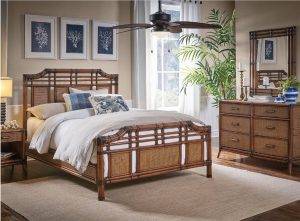
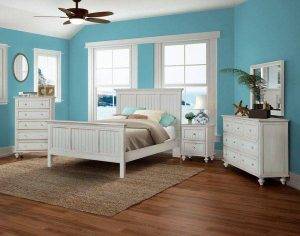

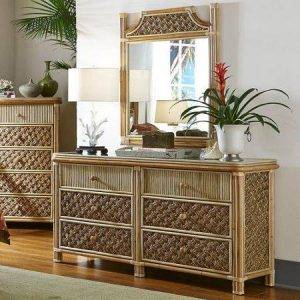

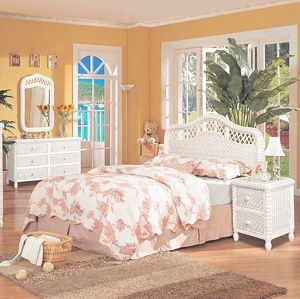
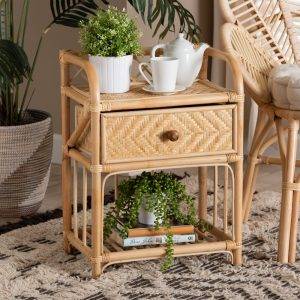




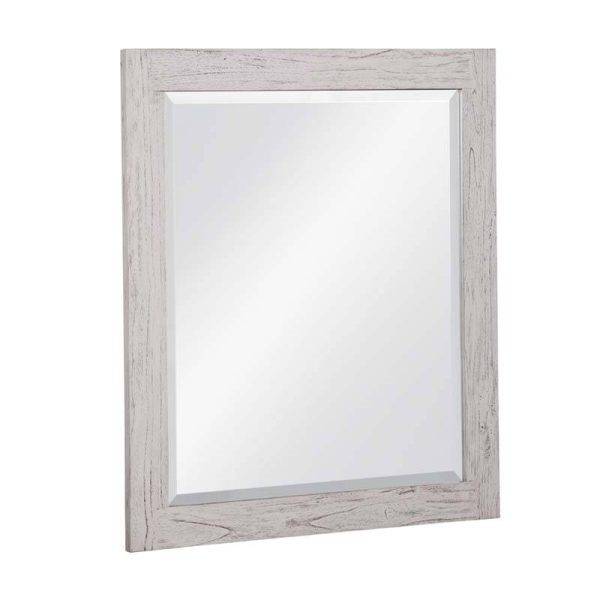
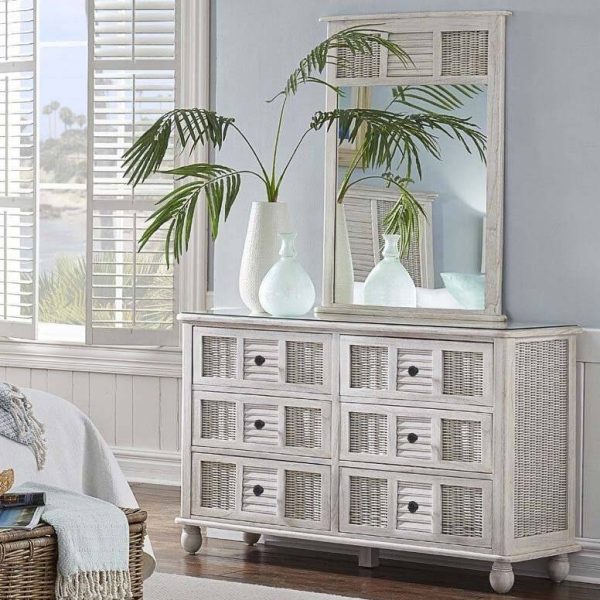
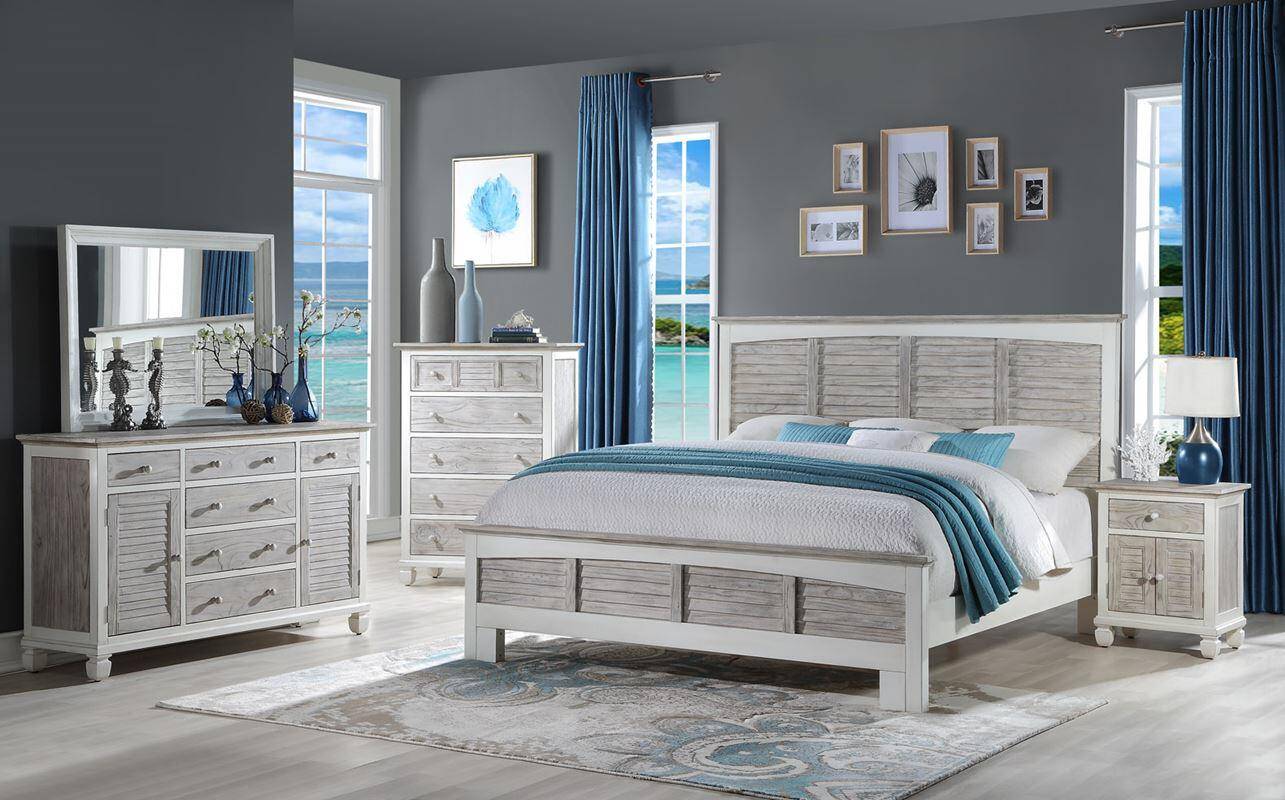
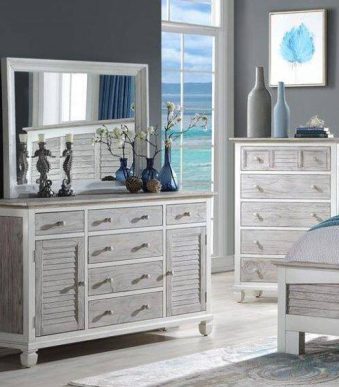
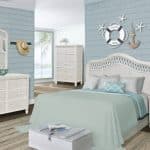
Coastal Breeze Rattan Whitewash Wicker 6-Drw Dresser and Mirror Set from Hospitality Rattan
$1,288.00
The nautical Coastal Breeze Collection brings a seaside vibe to your bedroom. The drawers slide smoothly with rollers on metal glides and with full extension.
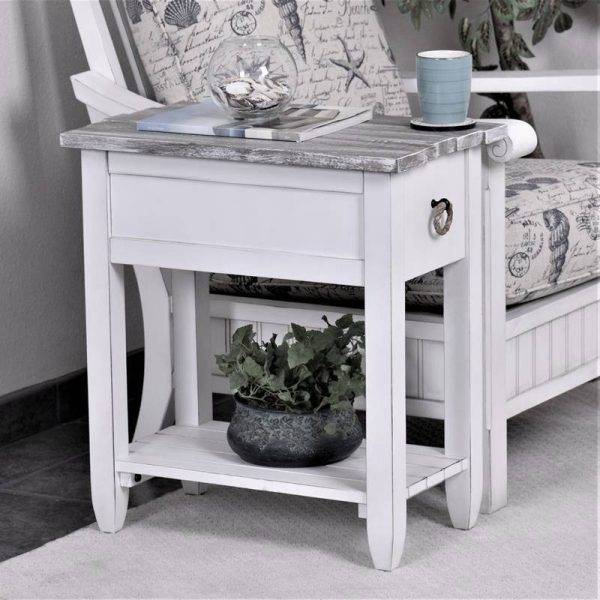
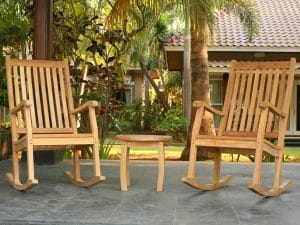
Picket Fence Rustic Distressed Grey White Chairside Table Model B78205 By Seawinds Trading
Original price was: $300.00.$299.00Current price is: $299.00.
FAST SHIPPING – In-stock case goods and bedroom furniture ship within 2 to 5 days after order is placed.

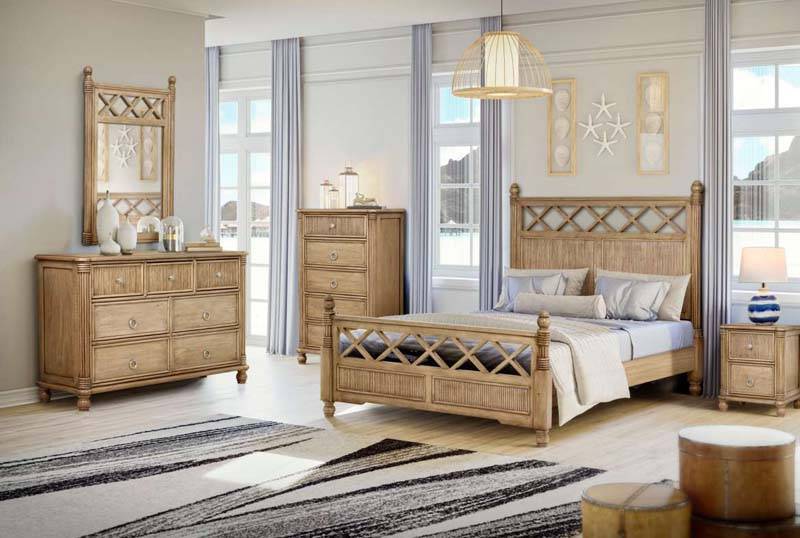
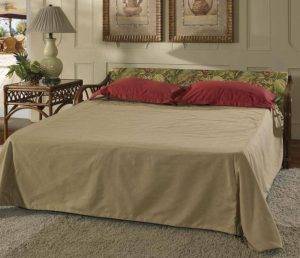
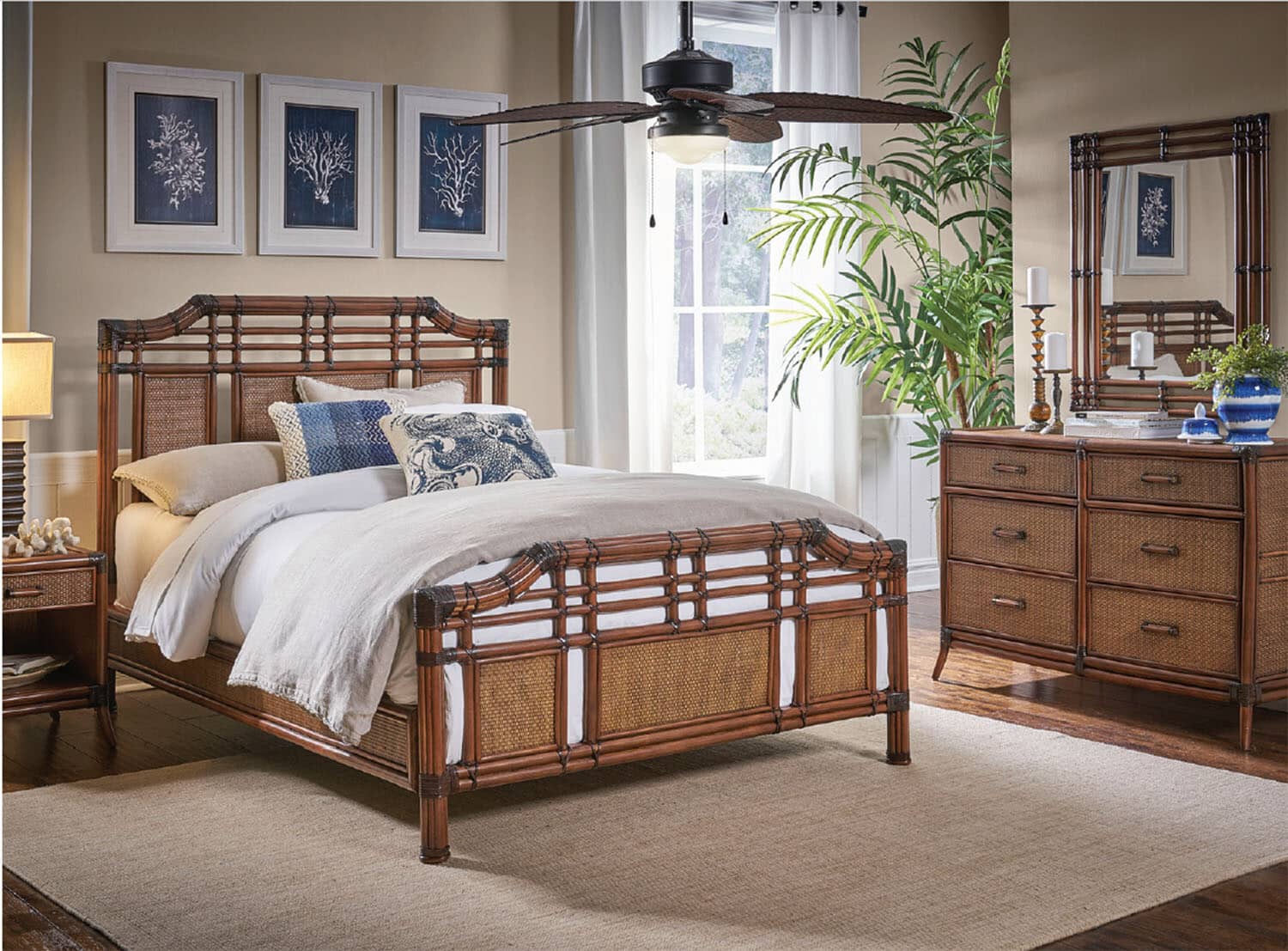
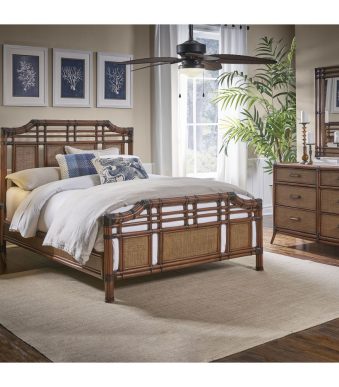
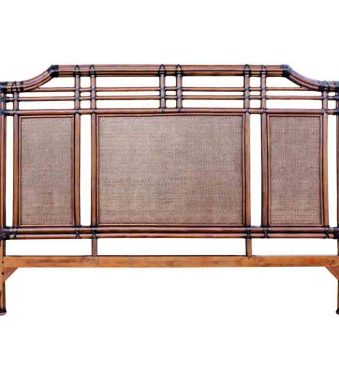
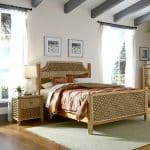
Mandalay Rattan Complete Queen Bed Model MD-QBSET By Spice Island Wicker
$1,099.00
The Mandalay is a high quality collection, that will turn your bedroom into a true tropical paradise.
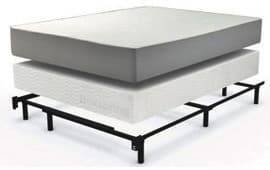
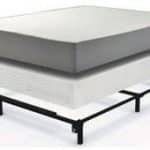
To complete your bed setup, set a box spring on bed slats, and set your mattress on the boxspring.
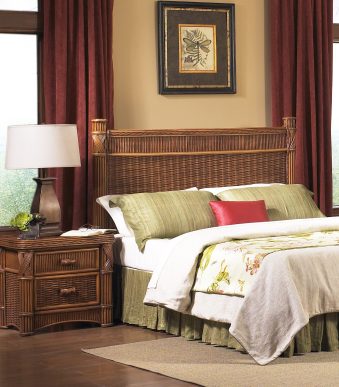
ON SALE! Palm Cove 6 Pc Queen Rattan Wicker Bedroom Set Model 1102-5643-ATQ-6BQ by Hospitality Rattan
Original price was: $4,227.00.$2,587.00Current price is: $2,587.00.
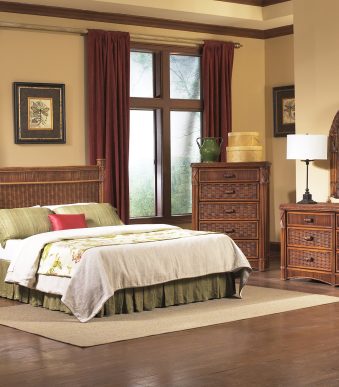


BEDROOM
Customize your bedroom furniture stains!
Braxton Culler and Classic Rattan allow you to customize your stain to fit your creativity & tastes.









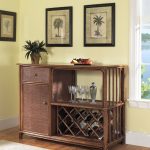 Indoor Wicker Bars and Bar Sets
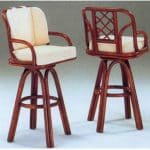 Indoor Wicker Kitchen Stools
 Fabric by the Yard
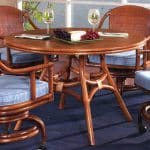 Glass and Wood Dining Tops
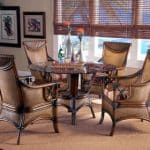 Indoor Rattan and Wicker Dining Sets
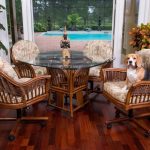 Indoor Wicker Caster Dining Sets
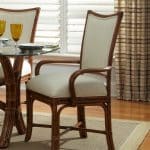 Indoor Wicker Dining Chairs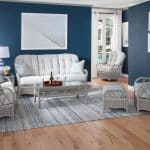
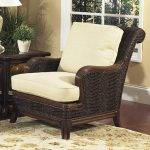 Indoor Rattan Lounge Chairs
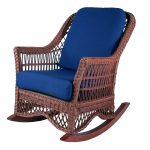 Indoor Rocking Chairs
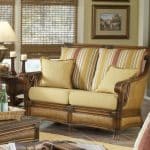 Indoor Rattan Loveseat
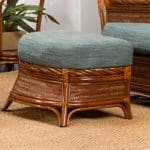 Indoor Rattan Ottoman
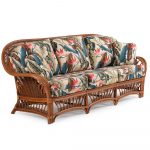 Indoor Rattan Sofas
 Indoor Wicker and Rattan Living Room Sets
 Cushions and Covers
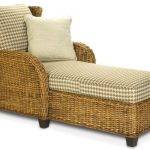 Indoor Wicker Chaise Lounges
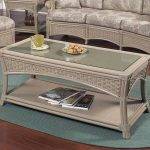 Indoor Wicker Convenience Tables
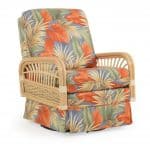 Indoor Wicker Gliders and Rockers
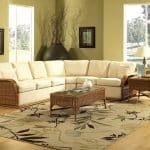 Indoor Wicker Sectional Furniture
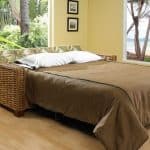 Indoor Wicker Sleeper Sofas
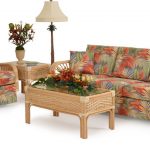 Indoor Wicker Upholstered Furniture

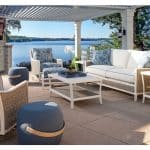
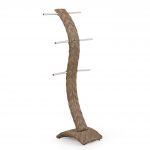 Outdoor Accessory Furniture
 Outdoor Bars and Barstools
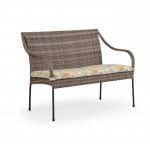 Outdoor Benches
 Outdoor Dining Furniture
 Outdoor Dining Chairs
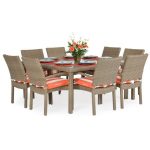 Outdoor Dining Sets
 Outdoor Dining Tables

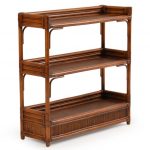 Rattan Office Cabinets